About Transmission Line Earthing
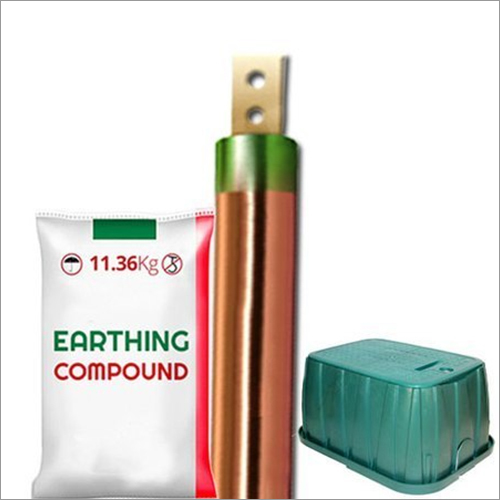
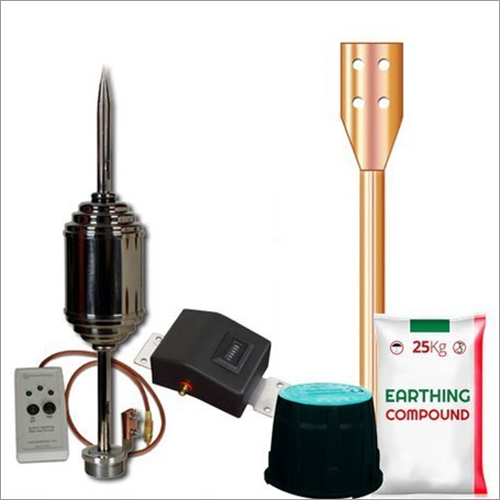
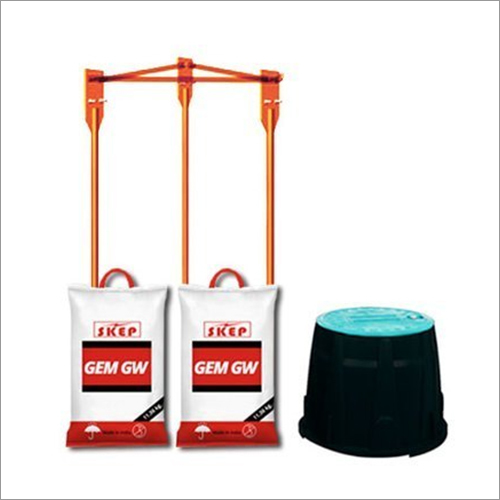
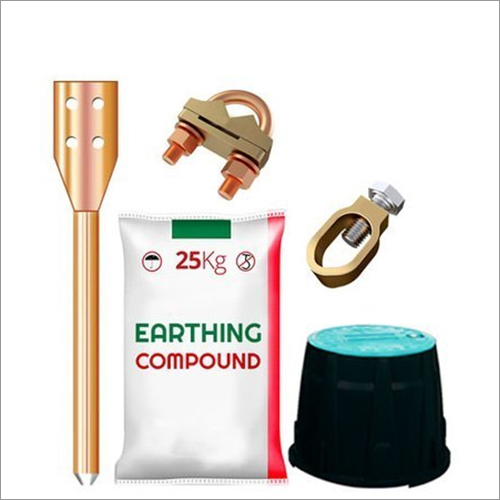
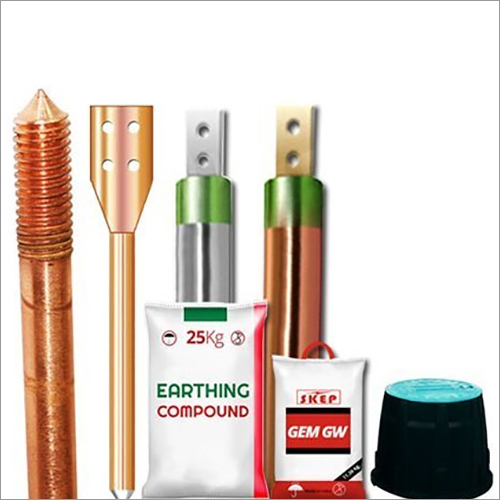
A Transmission Line Earthing provides an electrical path for lightning and fault currents to earth, to ensure safety of people, assets and the environment. Transmissions lines are carefully monitored, real-time substation monitoring may, or may not, occur and limited metering is typically applied to distribution feeders or circuits to monitor electricity distribution voltage and other values. Earthing is the first step towards electrical safety. The offered Transmission Line Earthing is made for use in the various places. It is very efficient.
Superior Transmission Line ProtectionDesigned specifically for outdoor environments, this earthing rod provides outstanding protection for transmission lines. Its high protection level, corrosion resistance, and overheating safeguards work in tandem to minimize electrical hazards and maintain system integrity, even in complex weather or high humidity conditions.
Reliable Performance and DurabilityEngineered with a high tensile steel core and hot dip galvanized finish, the rod is built for longevity and efficiency. Withstanding temperatures from -10C to +60C and thermal stresses up to 650C, it delivers consistent earthing performance with minimal maintenance, ensuring operational effectiveness throughout its life span.
Easy Installation and VersatilityInstallation is straightforward thanks to options for manual or mechanical driving methods, and the included copper clamp accommodates a wide range of cable sizes. Whether for new projects or system upgrades, this rod's direct-mount, clamp connection, and weatherproof design allow flexible deployment wherever reliable earthing is essential.
FAQ's of Transmission Line Earthing:
Q: How is the Transmission Line Earthing Rod installed?
A: The earthing rod can be installed manually or using mechanical driving equipment. Its design supports direct mounting into the soil, and the clamp connection makes it easy to attach cables within the 16 mm2 to 120 mm2 range. No specialized tools are needed for standard installation.
Q: What benefits does the high tensile steel core provide?
A: The high tensile steel core ensures enhanced mechanical strength, thermal stability up to 650C, and durability, making the rod suitable for demanding environments and ensuring a longer operational life with minimal maintenance.
Q: When should this earthing rod be used?
A: This rod is ideal for use in outdoor transmission line protection, especially in locations requiring high safety standards, reliable earthing (resistance < 1 Ohm), and durability in harsh climatic conditions. It is also suitable for new installations and system upgrades.
Q: Where can the earthing rod be applied?
A: The rod is designed for outdoor settings and can be used across India. It suits diverse geographic and environmental areas, including sites with high humidity (up to 95% RH), high temperature fluctuation, and exposure to UV rays.
Q: What process ensures the rod's corrosion resistance?
A: The rod is finished with a hot dip galvanization process, which coats the surface with a layer of zinc. This protects against corrosion and environmental wear, preserving both conductivity and mechanical integrity over its lifespan.
Q: How does the rod enhance safety for transmission lines?
A: With a high protection level, IP65 rating, efficient earthing (98%), and overheating protection, this rod reliably dissipates fault currents and shields transmission lines from damage, safeguarding connected equipment and personnel.
Q: What is the main usage advantage of the clamp connection and single-phase design?
A: The clamp connection simplifies attachment to a broad range of cable sizes, while the single-phase, direct-mount design allows easy integration into existing or new transmission line setups, reducing installation time and improving operational flexibility.
 Call Us : 08045477535







 Send Inquiry

 Send Inquiry
 Send Inquiry
 Send SMS
 Call Me Free